
Substrate and moisture details first
Before any stone goes up, we verify the wall surface is flat, clean, and appropriate for veneer, and we address water management details at edges and transitions.
Serving Poulsbo, Kitsap County & surrounding areas
Mon–Fri 7 AM–8 PM · Sat 9 AM–7 PM · Sun 9 AM–6 PM
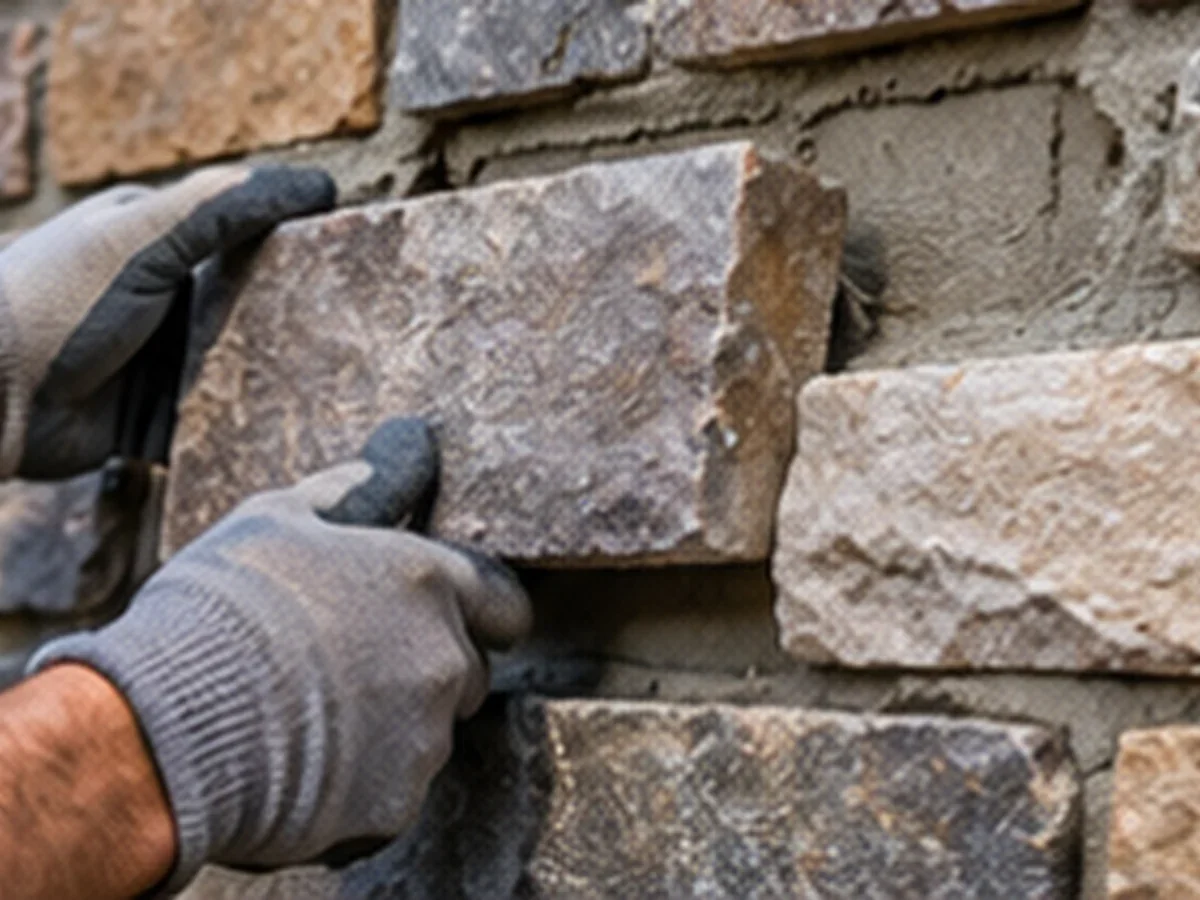
Stone veneer service in Poulsbo
Add a durable, natural-looking finish to fireplaces, facades, and exterior accents with clean layout, solid prep, and tight joint work that holds up in Poulsbo weather.
Sound prep and careful finish work
Cultured stone is a thin veneer system, so a durable result depends on a sound substrate, correct preparation, consistent mortar coverage, and carefully finished joints. Rushed installation can lead to loose pieces, uneven lines, or moisture behind the veneer.
For Poulsbo and Kitsap County homes, we plan the layout, transitions, clearances, and water-management details before setting stone. Surrounding finishes stay protected and future fireplace or chimney access remains part of the plan.
Exterior accents and masonry details
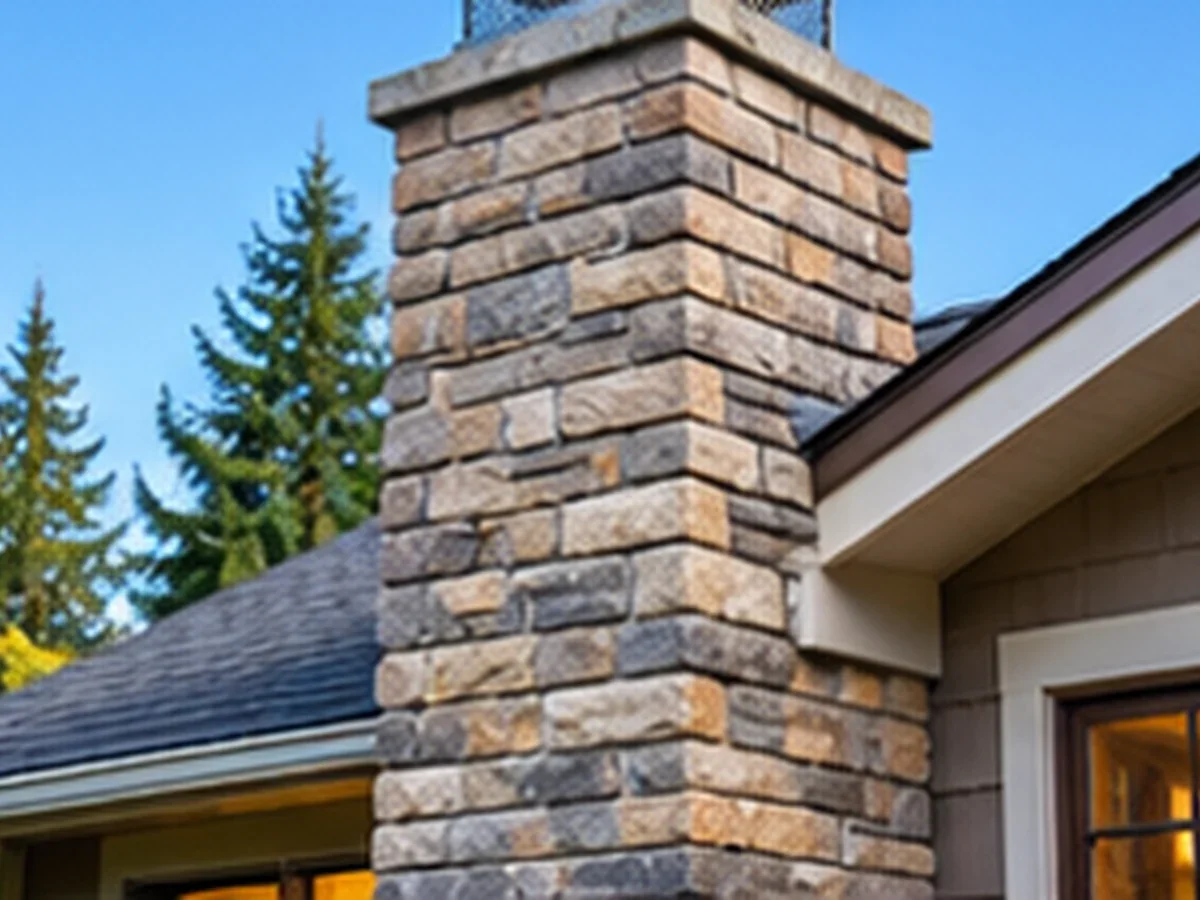
Cultured Stone Installation is commonly used as an accent on front elevations, around entries, on skirt walls, and on outdoor features that benefit from a tougher surface than paint or siding. The goal is a natural pattern with believable transitions, not a repeating, stacked look.
In Poulsbo, exterior veneer choices should take wet seasons seriously. We pay attention to terminations, weep paths, and how the veneer meets trim, flashing, and horizontal surfaces so water sheds out instead of wicking in. When a project includes a fireplace chase or chimney face, we also think through access for future inspections and maintenance so you are not boxed into an assembly that is hard to service.
Installation details that matter
Before any stone goes up, we verify the wall surface is flat, clean, and appropriate for veneer, and we address water management details at edges and transitions.
We dry-lay and plan the pattern to balance color and size, keep corners believable, and prevent obvious repetition across a large field.
Each piece gets set with the right mortar consistency and coverage so the veneer bonds as intended and stays stable through seasonal moisture and temperature shifts.
We take the time on outlets, hose bibs, trims, and transitions so the finished work looks intentional and the edges do not become weak points.
From raked to flush to overgrout looks, we tool joints for a consistent finish while keeping an eye on where water can collect.
From scope to finished joints
We walk the area with you, confirm what surfaces are included, discuss the look you want (joint style, corners, ledgestone vs. fieldstone profiles), and note transitions to siding, trim, or masonry.
We protect adjacent finishes, then prep the substrate. Depending on the wall assembly, this can include cleaning, repairing damaged areas, and installing lath and a scratch coat where required.
We lay out stone to balance sizes and colors, plan corners and terminations, and pre-cut pieces so the pattern reads naturally across the elevation.
We set stone in mortar with attention to consistent joint spacing and solid contact. We keep courses visually level where the design calls for it, while still avoiding a too-uniform pattern.
After setting, we finish joints to the selected profile, clean mortar smears, and review the work with you. We also flag any future maintenance considerations around adjacent chimney or fireplace components.
Pricing guidance
Most cultured stone veneer projects in Poulsbo typically fall around $25 to $55 per square foot installed, with small accent areas often totaling $1,800 to $6,000+ depending on complexity. Large facade sections, tall walls, or detailed wraps (corners, columns, multiple openings) push totals higher.
Your final price depends on the stone profile, how much cutting is required, existing wall condition, prep needs (including lath/scratch coat), access and staging, and the number of inside and outside corners. Exact cost is confirmed after an on-site look at the surfaces and transitions.
Planning the finished look
Stone profile, color balance, corner treatment, joint style, and transitions all shape whether a finished veneer looks natural and belongs on the home.

We plan these details before installation so cuts, edges, and pattern changes support one consistent exterior finish.
Customer proof
“They arrived on time, cleaned our chimney thoroughly, and left everything spotless. Very professional and easy to work with. Highly recommend”
“The technician was knowledgeable, explained everything clearly, and answered all our questions. Excellent service!”
“They took extra care to protect our floors and furniture. We'll definitely use them again.”
Practical answers before installation
Sometimes, but only if the wall assembly can be prepped into a proper veneer substrate. Many siding and painted surfaces are not suitable as-is, so we look at what is underneath and what prep is required (often including lath and a scratch coat) before we recommend moving forward.
Most small to mid-size accent installs take 2 to 5 days once materials are on hand, while larger facade areas can take a week or longer. Timeline depends on square footage, how much cutting and corner work is needed, and whether prep or repairs are required before setting stone.
Tight-stack uses minimal visible joint space for a more modern, dry-stacked look, while mortared joints show a defined grout line that can be raked, flush, or overgrouted. The right choice depends on the stone profile and the style of your home, and it also changes how much joint finishing time the project needs.
It can, as long as the wall prep and water management details are done correctly. In the Poulsbo area, we pay close attention to terminations, transitions to trim and flashing, and keeping the assembly able to shed water so moisture does not get trapped behind the veneer.
Yes, but we confirm the existing materials and clearances first and plan the transitions so the area stays serviceable for future chimney inspections and maintenance. Exterior chimney faces and chase areas often need extra attention at caps, edges, and flashing to keep water out.
Plan the finish and prep
Tell us where you want stone, the look you are after, and what the wall surface is today. We will confirm prep requirements, walk through joint style options, and provide a clear scope before work starts.
Send us the details
Prefer to call or text? Use those options for the fastest response. You can also send your service details below and our team will follow up to discuss availability.